
About Soursop
Soursop is a tropical fruit celebrated for its unique flavour and numerous potential health benefits. Some of the key benefits associated with soursop include:
- Immune System Support: The high vitamin C content in soursop boosts the immune system, helping the body ward off infections and illnesses.
- Anti-inflammatory Effects: Soursop has demonstrated anti-inflammatory properties, which can help reduce inflammation and may be beneficial for conditions like arthritis.
- Digestive Health: The dietary fibre in soursop aids digestion, helps prevent constipation, and supports a healthy digestive system.
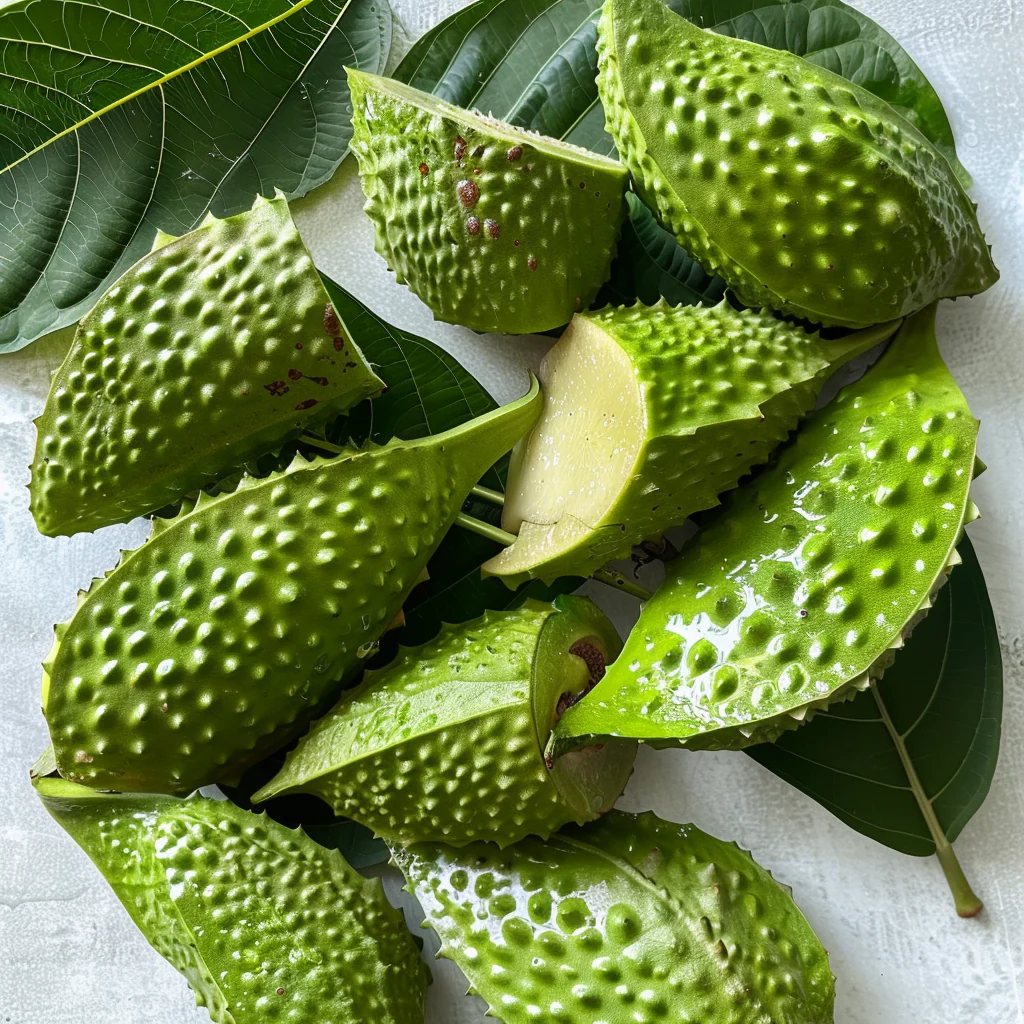
Soursop possesses anti-inflammatory properties that can help reduce inflammation, potentially benefiting conditions like arthritis. To enjoy its benefits, boil the leaves and savour as a warm brew. Additionally, soursop contains compounds called acetogenins, which have demonstrated potential anti-cancer properties by inhibiting the growth of cancer cells.
Enjoy a refreshing cup of soursop tea about 2-3 times a week.
Frequently Asked Questions
What are soursop leaves?
Soursop leaves come from the soursop tree (Annona muricata), a tropical tree native to the Americas. The leaves are known for their potential medicinal properties and are commonly used in traditional remedies.
What are the health benefits of soursop leaves?
Sea moss is known for its numerous health benefits, including:
– Boosting the immune system
– Improving digestion
– Supporting thyroid health
– Enhancing skin health
– Providing essential vitamins and minerals
– Increasing energy levels
– Supporting respiratory health
Can children use soursop leaves?
Soursop leaves can be used for children in moderation, particularly as a tea.
Do soursop leaves have anti-cancer properties?
Soursop leaves contain compounds called acetogenins, which have shown anti-cancer properties in laboratory studies.
How should I store soursop leaves?
Dried soursop leaves should be kept in an airtight container in a cool, dry place away from direct sunlight.